
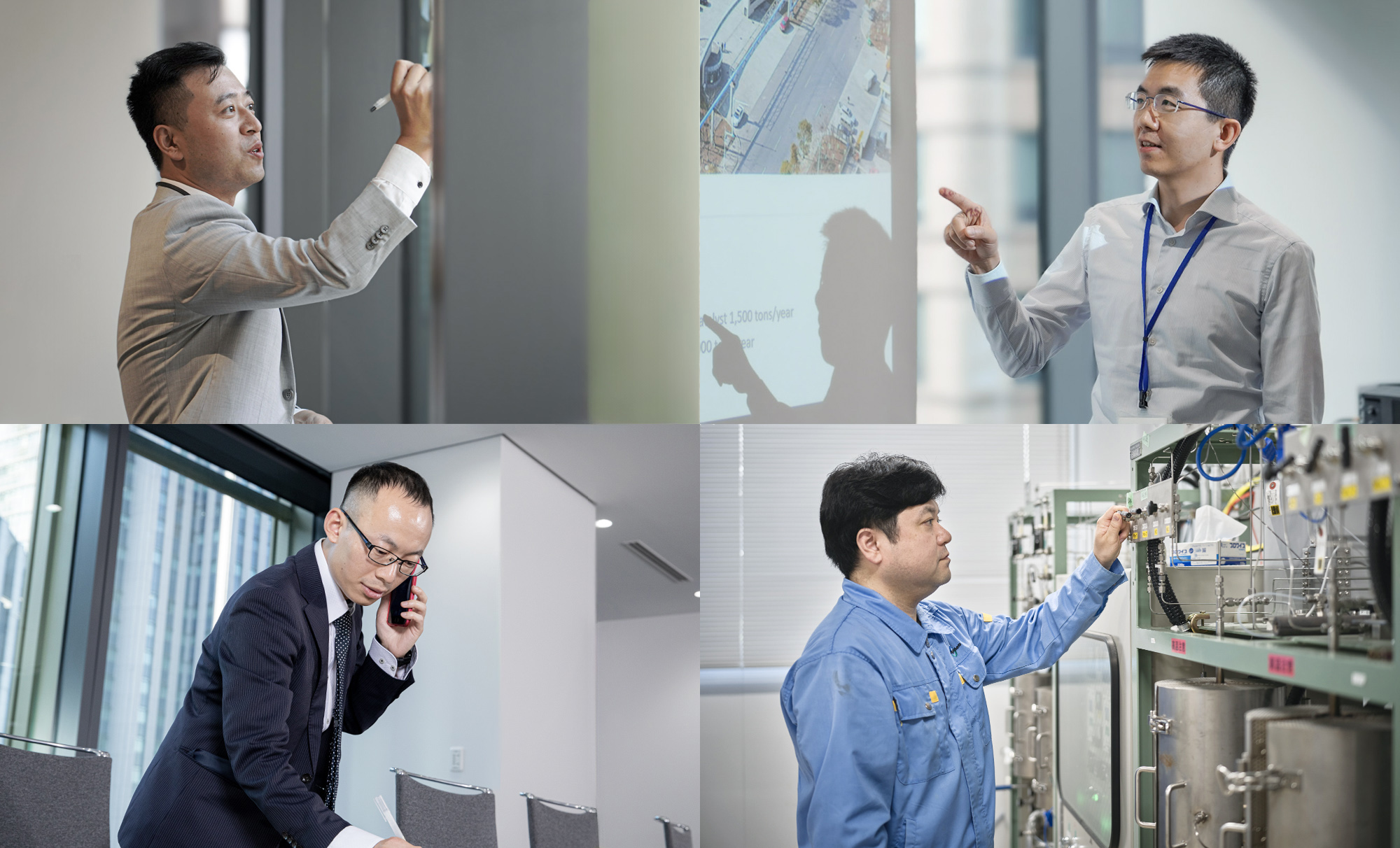
The Future Connected by C1 Chemistry
Today, C1 Chemistry is attracting growing attention.
Petroleum and coal found in nature are generally composed of carbon chains containing around six to twelve carbon atoms. C1 Chemistry is a technology that breaks these compounds down into C1 molecules and then uses them as building blocks to synthesize a wide range of chemicals.
C1 Chemistry is attracting particular attention because CO₂, or carbon dioxide, can be used as one of its feedstocks. Technologies that recycle CO₂ to create a variety of materials, known as carbon recycling and CCU (Carbon Capture and Utilization), are now attracting significant attention as a key solution to addressing global warming.
At HighChem, we have been working on the development and commercialization of C1 Chemistry technologies since 2010. Our initiatives have expanded into a wide range of businesses, including technology licensing in China, in-house catalyst production, and the launch of large-scale projects. Today, we spoke with four young employees involved in business development and R&D about their current roles and what they find rewarding about their work.
members
-
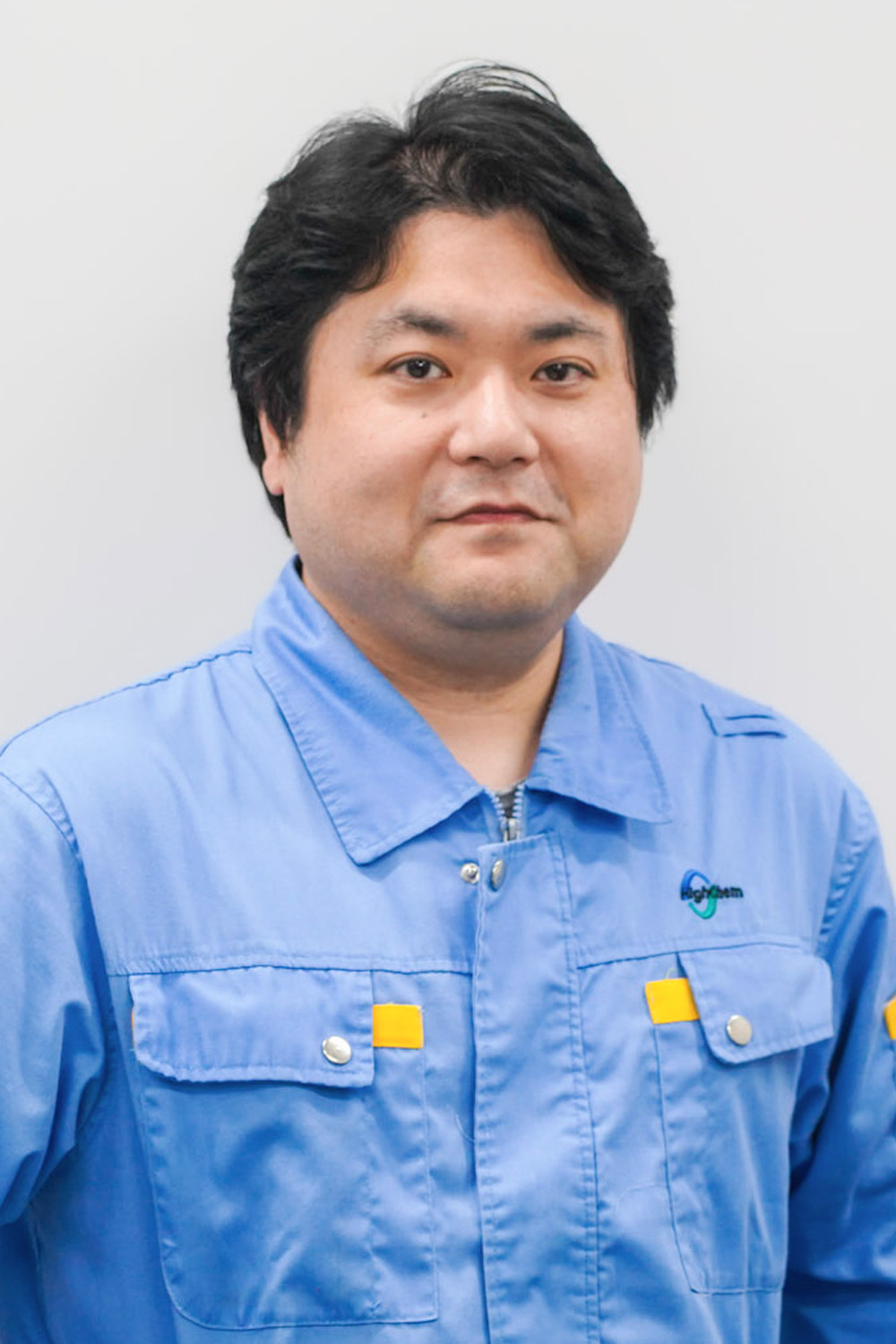
Joined HighChem in 2017
HighChem Tokyo Research Center
Manager YEarned a Ph.D. in Catalyst Chemistry from Tottori University. After six years in R&D and two years in technical support at a global catalyst manufacturer, joined HighChem’s Tokyo Research Center.
Earned a Ph.D. in Catalyst Chemistry from Tottori University. After six years in R&D and two years in technical support at a global catalyst manufacturer, joined HighChem’s Tokyo Research Center.
-
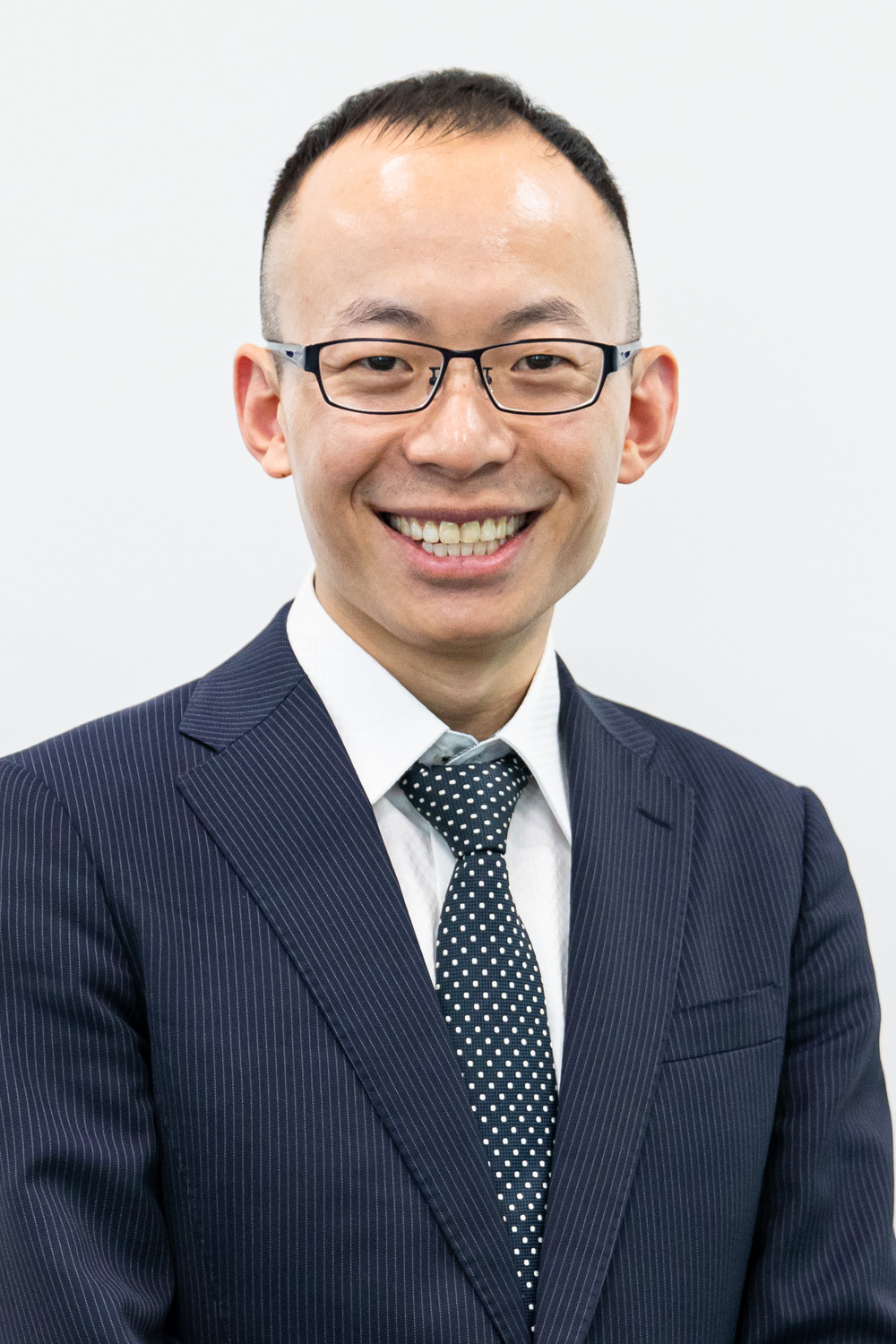
Joined HighChem in 2018
Hydrogen Energy Sec.
C1 Div.
Manager WStudied aerospace engineering at Beihang University and joined a major Japanese chemical manufacturer after graduation. After working in engineering for about six years in Ehime, joined HighChem.
Studied aerospace engineering at Beihang University and joined a major Japanese chemical manufacturer after graduation. After working in engineering for about six years in Ehime, joined HighChem.
-
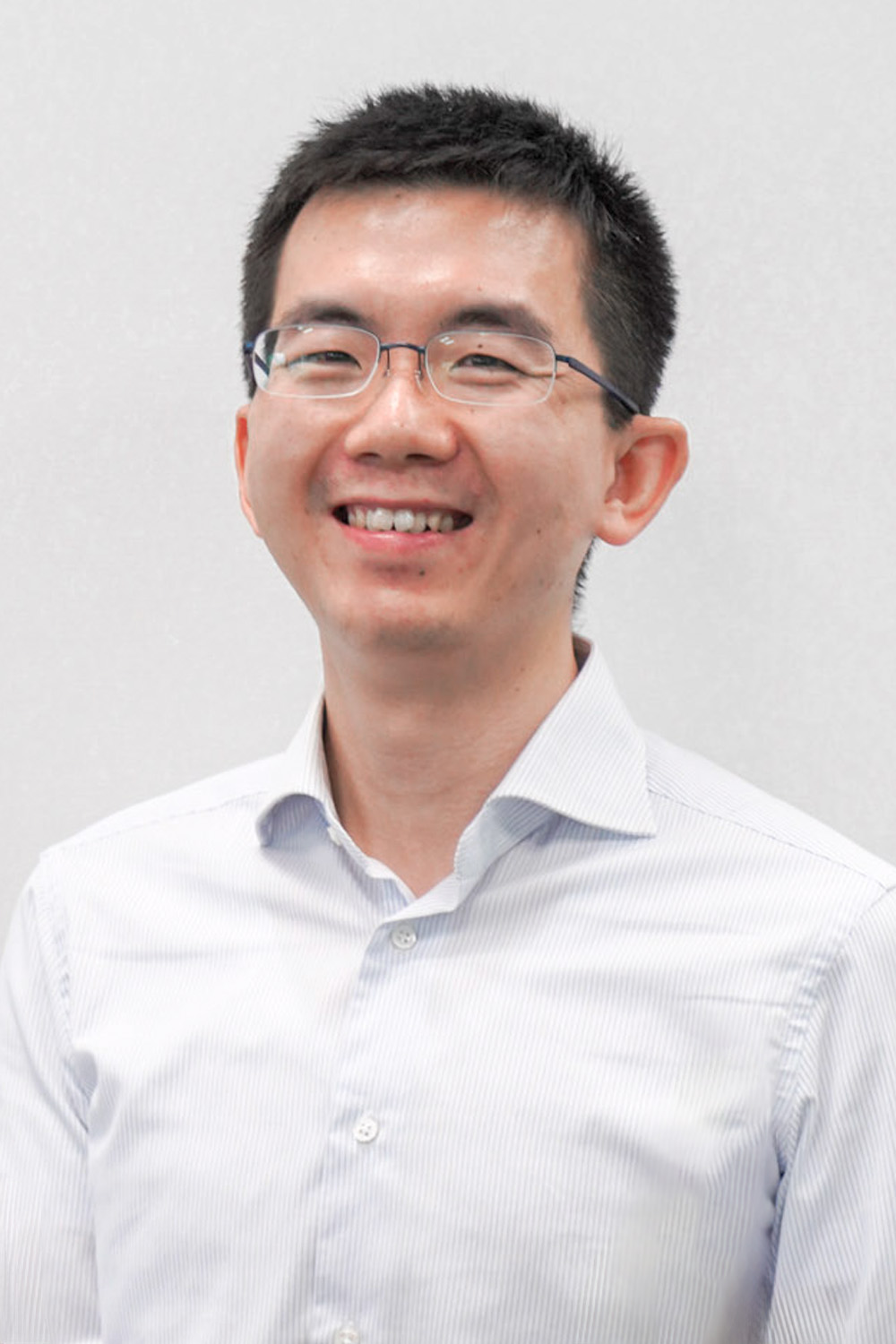
Joined HighChem in 2021
Catalysts Div.
Sustainability & Innovation Div.
SGraduated from Hunan Agricultural University with a degree in IT and joined China’s largest integrated oil company in 2008, working in refinery catalyst production. After leading catalyst market development and technical services across Japan, South Korea, and Australia, joined HighChem in 2021.
Graduated from Hunan Agricultural University with a degree in IT and joined China’s largest integrated oil company in 2008, working in refinery catalyst production. After leading catalyst market development and technical services across Japan, South Korea, and Australia, joined HighChem in 2021.
-
Joined HighChem in 2021
Carbon Innovation Sec.
Sustainability & Innovation Div.
CStudied organic chemistry and nanomaterials at Dalian University of Technology before coming to Japan and earning a master’s degree from the University of Tokyo. Worked as a nanomaterials researcher at a major Japanese chemical manufacturer and later at a startup before joining HighChem.
Studied organic chemistry and nanomaterials at Dalian University of Technology before coming to Japan and earning a master’s degree from the University of Tokyo. Worked as a nanomaterials researcher at a major Japanese chemical manufacturer and later at a startup before joining HighChem.
A Range of Projects Driven by C1 Chemistry
ハイケムが携わっているC1ケミカル事業の中で、コアとなっているのがSEG®技術の開発と中国への大規模なライセンス事業だ。SEG®技術とは、合成ガス(一酸化炭素と水素)を原料とし、エチレングリコール(ポリエステル製造原料の一種)を製造する技術のこと。ハイケムではUBE株式会社と共同で、同社のファインケミカル技術をベースにエチレングリコールを製造する技術を確立し、技術ライセンス事業を展開してきた。現在では、年間総生産能力1,000万トン以上のライセンス契約を締結しており、年産約600万トンのプラントが商業運転を開始している。
また、2011年には南通市に自社触媒工場を設立し、エチレングリコール触媒の内製化に着手。ライセンス先への触媒の提供を実現すると同時に、日中の研究所での研究開発力が評価され、さまざまな触媒の開発にもつながっている。
そして、現在はこれらのコア事業をベースに多くの新規事業の開拓につなげている。
Leading a Major Project in Yulin, China, One of the Country’s Largest Coal-Producing Regions
Could you tell us about the project in Yulin, China, led by W, who studied aerospace engineering and engineering?
-
W
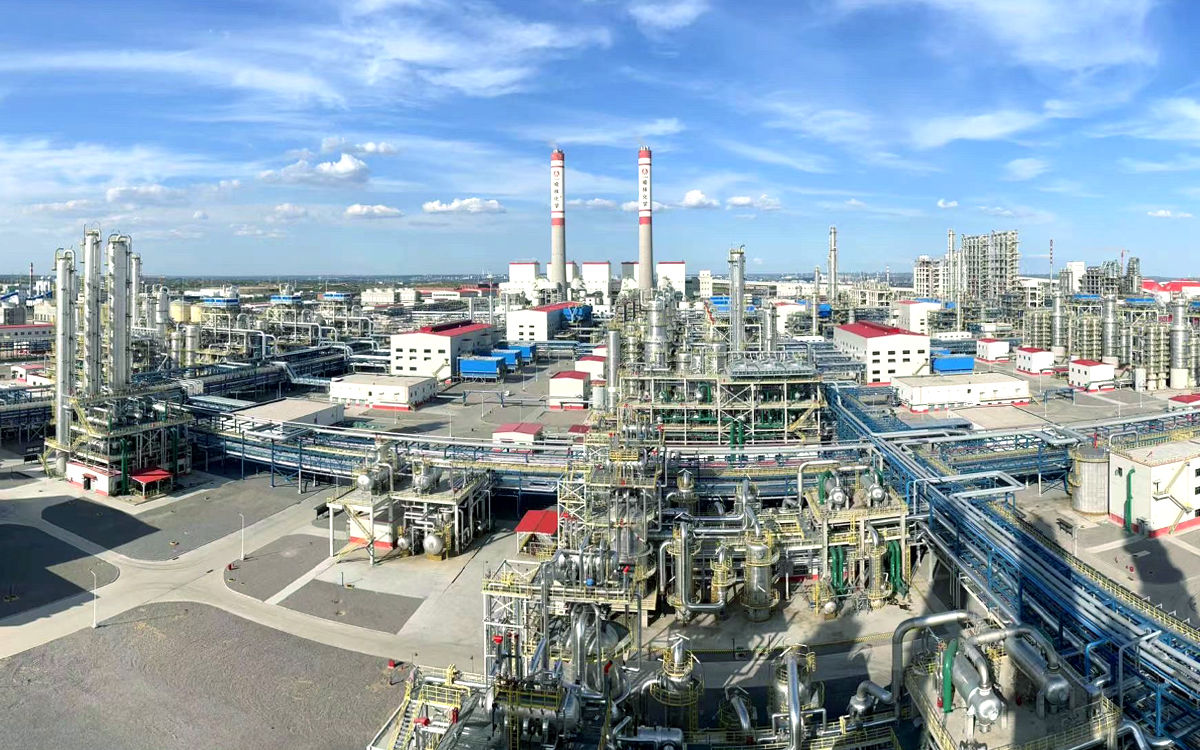
In Yulin, Shaanxi Province, one of China’s major coal-producing regions, Shaanxi Coal Industry launched the world’s largest SEG® project, with an annual production capacity of 1.8 million tons. I became involved in the project shortly after joining HighChem, working with the local company on equipment procurement, basic engineering design, HAZOP*, and other aspects of the project. In addition to licensing, HighChem made the management decision to invest in the project, so I was also involved in key tasks such as equipment procurement, design reviews, and reporting progress from the construction site back to the company. Through these efforts, I was able to help lead the project to a successful completion.
*HAZOP (Hazard and Operability Studies)
A process hazard identification method developed to comprehensively identify potential hazards in newly developed chemical processes, assess their potential impacts and consequences, and implement the necessary safety measures.
-
W
Following this, a new project was launched to establish a plant in Yulin for the production of electrolyte solvents. Starting with the President’s vision and progressing through discussions with local partners, as well as contracts and negotiations for establishing a joint venture, I was involved in the project comprehensively from its initial planning through execution, gaining valuable new experience along the way.
At the same time as expanding our investment business, plans were also made to establish HighChem’s Northern Headquarters in Yulin. I was stationed there and had the opportunity to work on key aspects of establishing the new company, which remains one of my fondest memories. I spent about a year in Yulin, and I was truly happy when we were able to establish the headquarters in 2021.
After that, I returned to Japan and was appointed Manager of the Hydrogen Section, a new business area for HighChem. Hydrogen is attracting attention as a source of green energy and has the potential to make a significant contribution to society. While it would be difficult to drive this business forward through individual efforts alone, with the support of the company, I hope to continue leveraging my experience to successfully bring as many projects as possible to fruition.
Technology development for producing paraxylene, a raw material for clothing, from CO2.
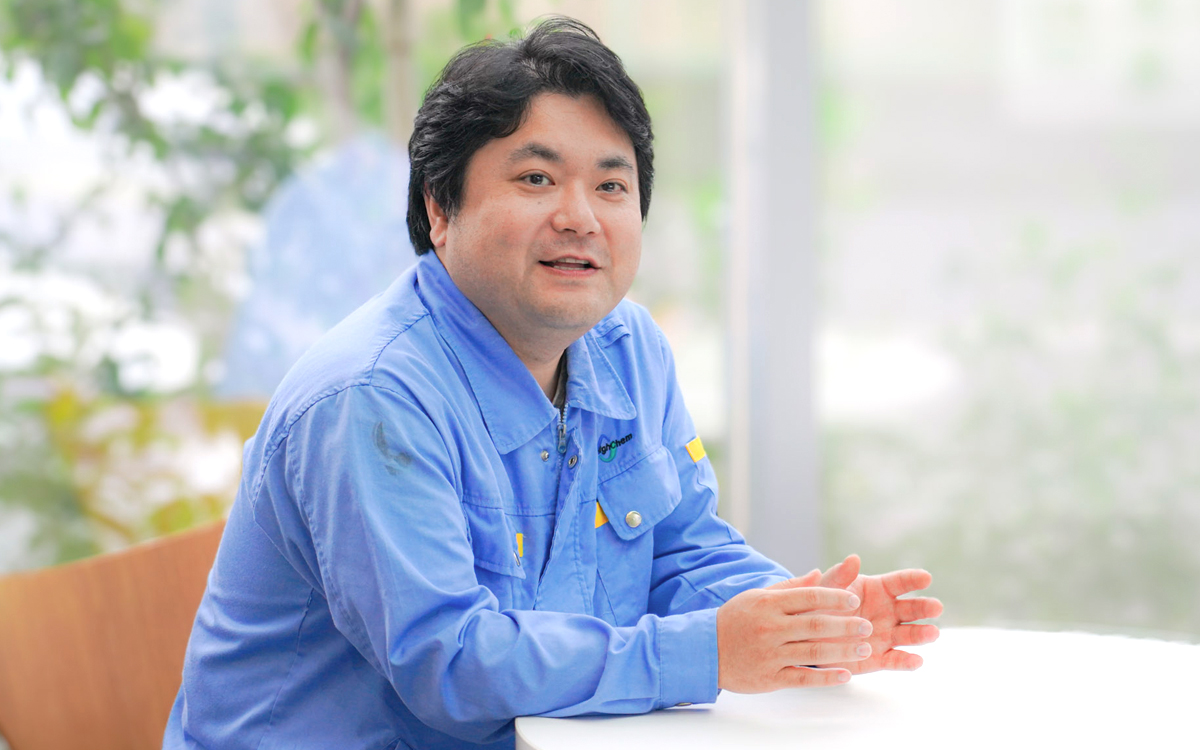
Could you tell us about the “Technology Development for Producing Para-Xylene from CO₂” project that Y, who has been engaged in catalyst research for many years, is involved in?
-
Y
I have been engaged in catalyst research and development since my university days. After joining HighChem, I worked on improving ethylene glycol catalysts, among other projects. Since 2020, I have been developing catalysts for the NEDO* project “Technology Development for Producing Para-Xylene from CO₂.” This project is being carried out in collaboration with major companies and organizations, including Toyama University and Chiyoda Corporation.
Since this work involves developing cutting-edge technologies that do not yet exist in the world, when I tell my friends that I am working on research that can “turn CO₂ into clothing,” they tell me that it sounds impossible. (laughs) Being involved in such advanced R&D is a great source of motivation for me. It is also incredibly rewarding as a researcher to know that my work can contribute to achieving the SDGs and making a positive impact on society.
*NEDO (New Energy and Industrial Technology Development Organization) An independent administrative agency under the jurisdiction of Japan’s Ministry of Economy, Trade and Industry (METI).
Bringing Japan’s carbon recycling technology to Southeast Asia.
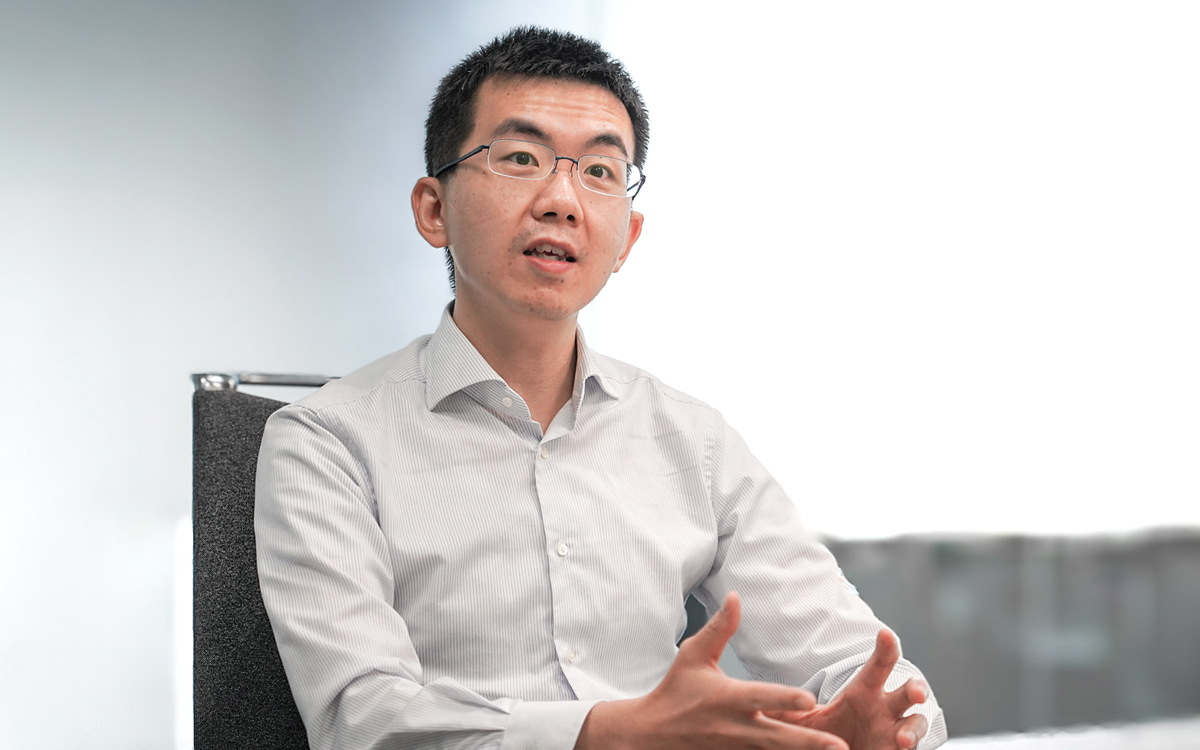
As someone with extensive overseas experience at a major Chinese oil company, what kind of projects are you currently pursuing in Southeast Asia?
-
S
I am introducing Japanese carbon recycling technologies to customers in Southeast Asia. This initiative was selected as a NEDO project in 2022, when we began investigating its potential for deployment. The project explored whether Japanese technologies for synthesizing methane and methanol from CO₂ could be deployed in Southeast Asia. The study was completed in 2023, and customers are currently reviewing the findings in detail. If all goes well, by 2030, Japanese technologies that recycle CO₂ to produce chemical feedstocks could be implemented in large-scale plants in Southeast Asia, helping contribute to efforts to combat global warming.
Japan’s petrochemical technologies are highly advanced and globally competitive, but because of the country’s limited land area, there are relatively few large-scale commercial facilities beyond the pilot stage. Bringing these technologies to life in large-scale facilities across the vast areas of China and Southeast Asia is an extremely rewarding opportunity. It also allows us to contribute to strengthening Japan’s international cooperation.
Business development for manufacturing chemicals using biotechnology
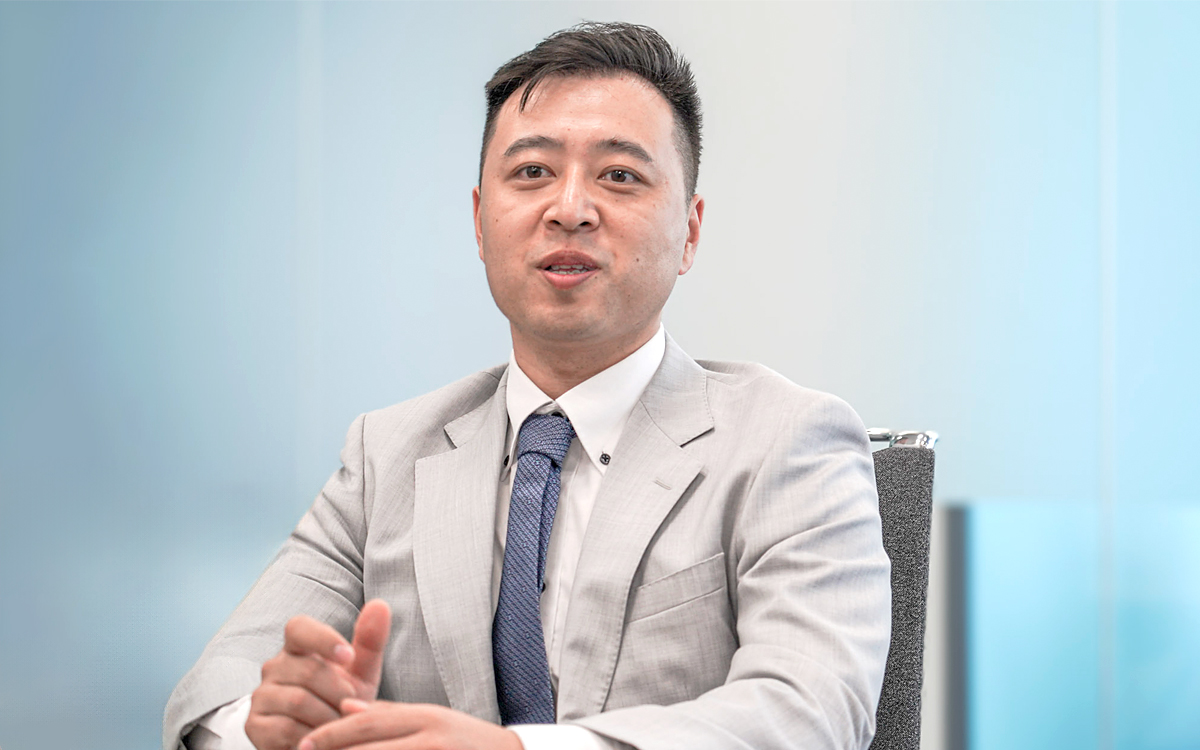
C, you conducted research on nanomaterials at university and are now connecting C1 Chemistry technologies to new developments in biotechnology.
-
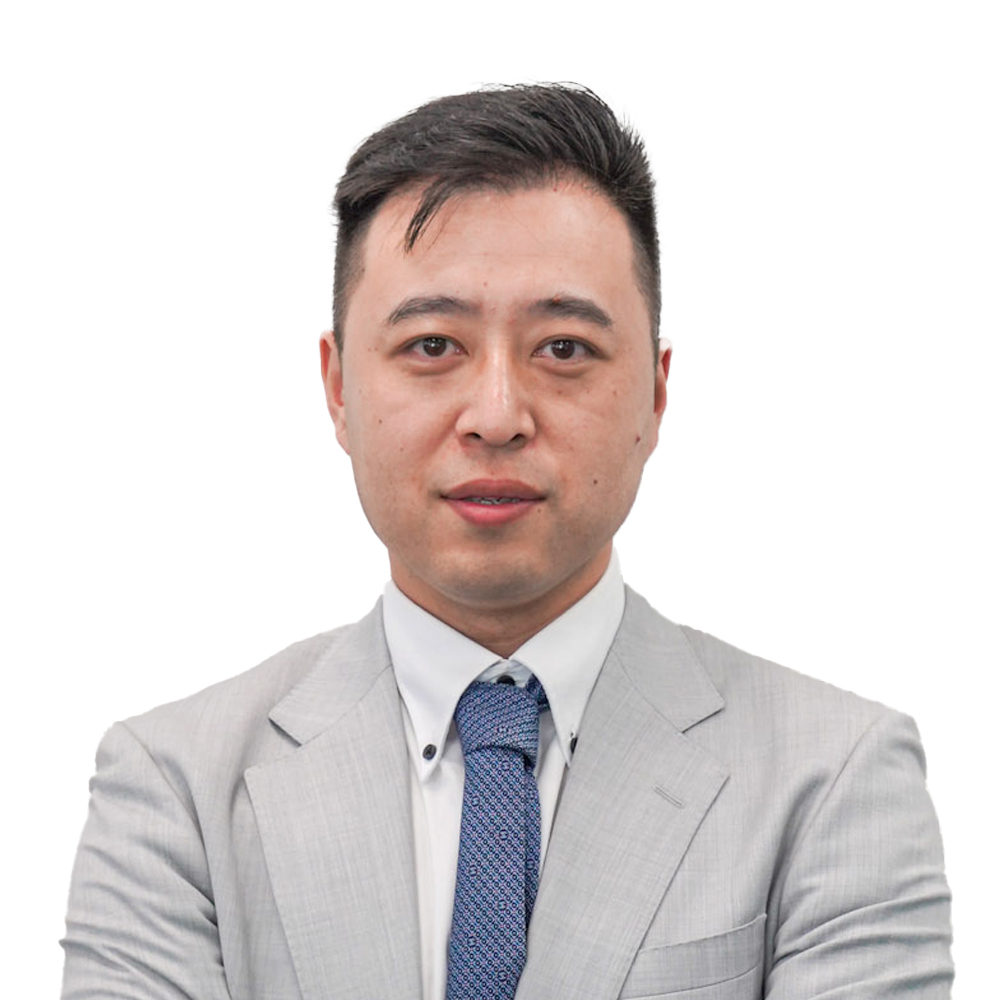
C
One of the national projects I am currently working on is the development of technology to produce sustainable aviation fuel (SAF) from off-spec coconuts. SAF is attracting attention worldwide. I am also working on cutting-edge themes such as developing chemical products and biodegradable materials using biotechnology.
In business development at HighChem, identifying promising new themes is also an important part of the job. We review a wide range of research papers and patents to identify potential research themes, then have the President and Business Division Managers evaluate which ones are both interesting and highly feasible, leading to new development projects. My greatest mission is to successfully commercialize as many of these projects as possible.
What Makes Working at HighChem as a Business Development and R&D Professional So Rewarding?
1. Always facing new challenges
-
S
One of the most rewarding aspects of working at HighChem is having the opportunity to constantly take on new challenges. In NEDO projects, we have faced a wide range of challenges, including differences in language and culture and environmental regulations. In particular, introducing technologies locally and selecting partner companies required patient negotiations and coordination, while working with government-related organizations called for highly developed negotiation skills.
Understanding differences in laws, regulations, tariffs, and other requirements across countries and adjusting projects accordingly can be demanding, but it is also one of the most rewarding aspects of the work. Overcoming these hurdles is an important step toward the success of a project, while also providing a valuable opportunity to establish a presence in a new market. Personally, I found this process extremely fulfilling. -
C
Exactly. As a trading company, HighChem has exceptional capabilities in gathering information across the chemical industries of Japan and China. In the field of catalysts, we have also established a strong reputation among both R&D and manufacturing professionals. In addition, we have built our business by effectively identifying and bridging the gaps between Japan and China. I believe it is precisely because we can leverage this background and expertise that we are able to take on so many new challenges.
-
W
Another appeal is the opportunity to be involved in a wide range of work. At my previous company, my responsibilities were clearly defined, and my role was to deepen my expertise in a specific area. At HighChem, however, you need to stay alert to everything that could contribute to the success of a project. Technical expertise is important, but so is business knowledge. You may also need to know how to conduct yourself during business entertainment, negotiate contracts, or even handle administrative tasks from time to time. You need to understand the bigger picture and think about what you should be doing at each stage. I find it exciting that I can continuously learn new things through my work.
-
Y
Another aspect I find appealing, especially as an R&D professional, is the degree of freedom we are given. When I suggest a particular approach for a project, I am often encouraged to give it a try rather than being told that it cannot be done. That was not the case at my previous company. There, we generally had to obtain approval from multiple levels of management before we could put an idea into action.
2. Many talented colleagues
-
S
Another thing I find interesting about HighChem is that there are so many talented people among my colleagues. Many members of the Catalyst Business Division, where I work, hold Ph.D.s. Having the opportunity to learn from and exchange knowledge with such talented colleagues is extremely valuable and has contributed greatly to my own growth.
-
W
そうですね。自分が推進したプロジェクトでは、さまざまな知識やノウハウを持っている人が集まってチームを構成していました。中国の産業チェーンに詳しい人、原料からどのような化学品ができるかに詳しい人、社内の事情に通じている人など、東京のスタッフを始め鄭州支店、西安支店、北京支店のスタッフが一丸となってプロジェクトを推進しました。
各々が自分の能力を発揮して、同じゴールに向かってなにがなんでも達成するぞという雰囲気があり、このような人材が集結していることこそ、ハイケムがさまざまなことを達成に導いてきた理由なのだと実感しています。