
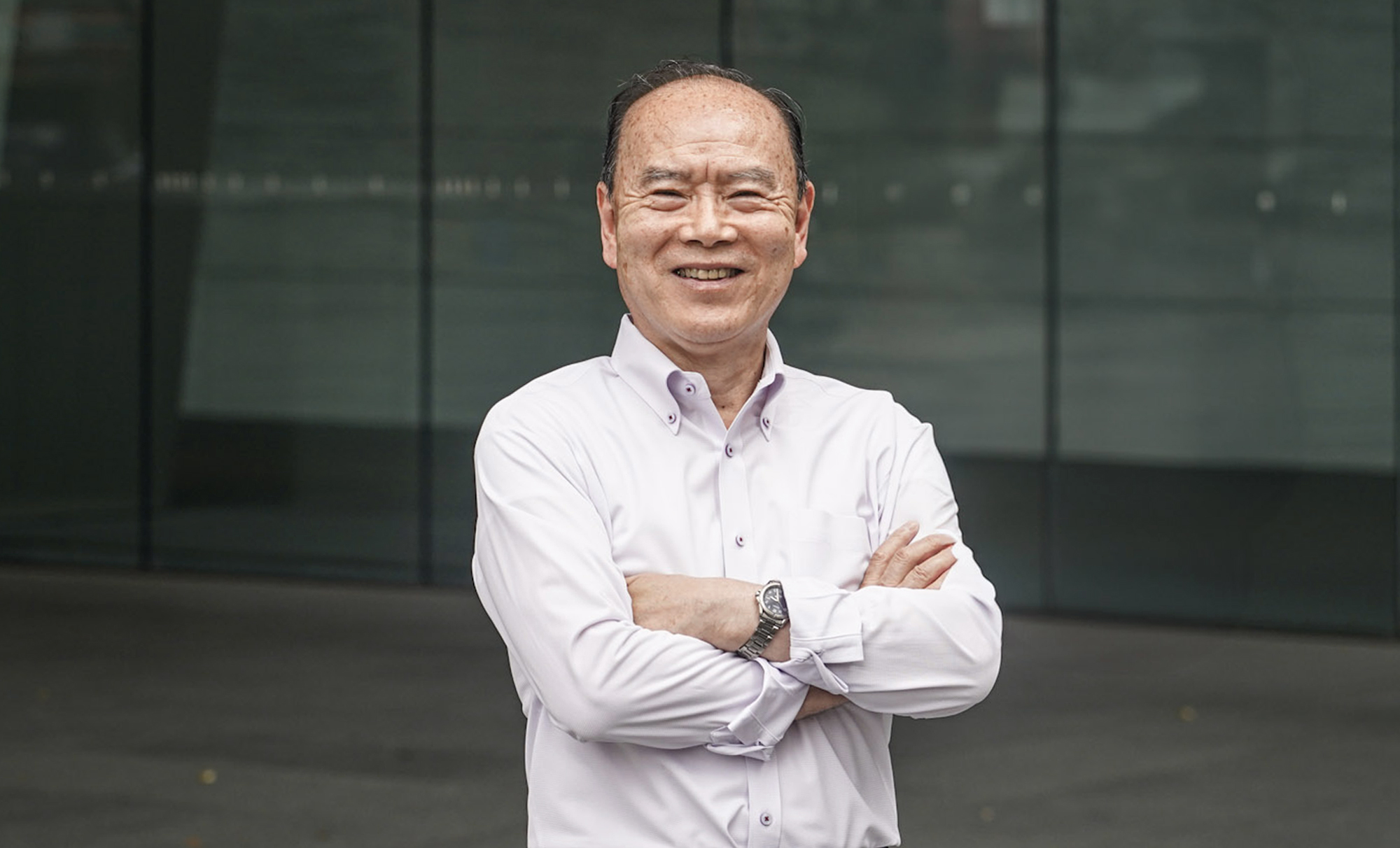
Leveraging Decades of Relationships and Experience
— A New Challenge at 65
Food & Nutritional Ingredients Sec., Trade Div.
Group Manager F
-
CAREER
- 1977−
- Graduated from Meiji Gakuin University, Faculty of Literature, Department of English, then moved to the United States
Earned an MBA from Golden Gate University
- 1983−
2014 - Worked for approximately 30 years at foreign-affiliated and Japanese fragrance companies
- 2019
- Joined HighChem
-
Responsibilities
What Does Your Current Role Involve?
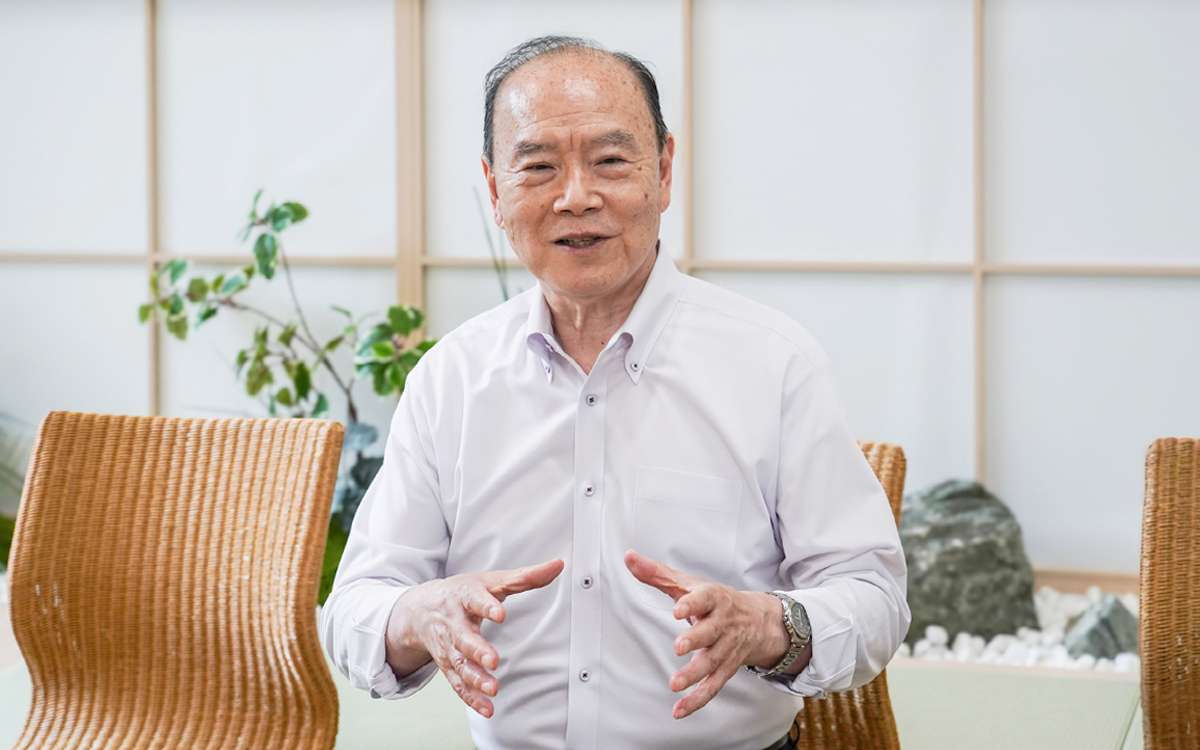
I joined HighChem at the age of 65 under the company’s senior employment program, and I now lead a team of six as the manager of the Food and Health Materials Section. Our section imports safe and reliable food additives and food ingredients from China and thoroughly monitors the production management systems of Chinese manufacturers. Through these efforts, our products have been adopted by many Japanese food and beverage manufacturers that demand high-quality products.
Could you briefly tell us about your career?
After graduating from university, I moved to the United States on my own because I wanted to study business in English and earned an MBA from a graduate school in San Francisco. After returning to Japan, I joined a foreign-affiliated fragrance company headquartered in New York. As a publicly traded company on Wall Street, it was extremely demanding when it came to numbers and performance, and I remember being pushed to develop a strong business mindset during that time. I continued to build my career at foreign-affiliated companies and, at the age of 57, made my first career move to a Japanese company. Having built my career in foreign-affiliated companies, it took me some time to adjust, but I gained valuable experience as General Manager of the Domestic Flavor Business Division at a fragrance manufacturer that had business relationships with many major food and beverage manufacturers.
What Led You to Join HighChem?
After leaving the fragrance manufacturer, I worked as an executive at a small trading company. After my term there ended, I spent some time working part-time at a senior care facility. Although I was considering staying there for the long term, a recruitment agency I had registered with introduced me to HighChem, saying that the company was looking for someone with experience in food additives. That was what led me to join HighChem.
At the time, sales in the Food Additives Section had been struggling to grow, and I remember the General Manager telling me during the interview, “We need you to turn things around.” I set myself the goal of “doubling sales in five years!” and decided to join HighChem. It was a new challenge for me at the age of 65.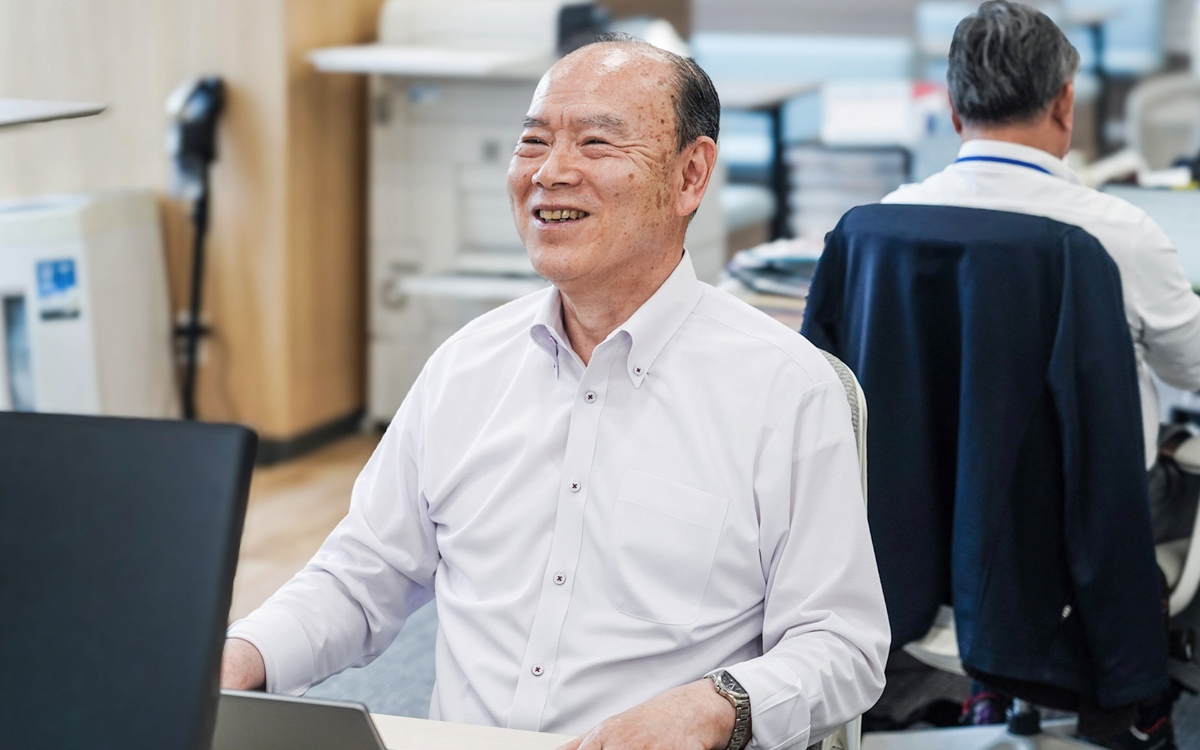
How Did You Approach Your Work After Joining HighChem?
After joining HighChem, we renamed the section the Food & Nutritional Ingredients Section and started under a new structure. I placed strong emphasis on making every team member aware of the importance of winning new business. The food industry cannot continue to grow without consistently developing new business. I once heard from someone at a beverage manufacturer that, in the soft drink industry, approximately 1,300–1,400 new products, including product renewals, are launched every year. While some products are discontinued as part of these renewals, HighChem’s sales were still relatively small at the time, so I saw this as a significant opportunity for growth.
As a specific initiative, I introduced a Project Status Report, which I had used at foreign-affiliated companies, to the team. This report allows us to manage each new project individually and track its progress in a visually clear and easy-to-understand format. We began using the report to provide updates at our monthly meetings. In FY2020, sales from new business accounted for 8% of total sales, but this increased to 16% in FY2024, exceeding my initial target of 15%. Thanks to the efforts of the team, total sales have also more than doubled compared with when I joined the company. -
Experience & Skills
When Do You Feel You Are Making the Most of Your Many Years of Experience?
The food industry is one where the relationships and experience I have built over the years can be particularly valuable. When developing new customers, for example, I make use of the network I have built over many years, sometimes asking people I have known for decades, including those who have already retired, to introduce me to younger professionals in the industry.
Is There a Story That Made You Feel You Were Making a Difference at HighChem as a Second-Career Professional?
I still feel a great sense of accomplishment whenever I win a new project or see a business get off the ground, regardless of my age. Currently, as a new initiative for our department, I am leading a project to export products that have been successful in Japan to China. Exporting to China requires us to prepare a large number of documents and takes considerable time to clear all the necessary regulatory requirements. However, we conducted a test shipment in August this year and expect to begin full-scale exports in the fourth quarter.
Work related to food is closely connected to people's everyday lives. Being able to see products that I have been involved in developing on store shelves and actually pick them up myself is one of the great rewards that makes this work so fulfilling.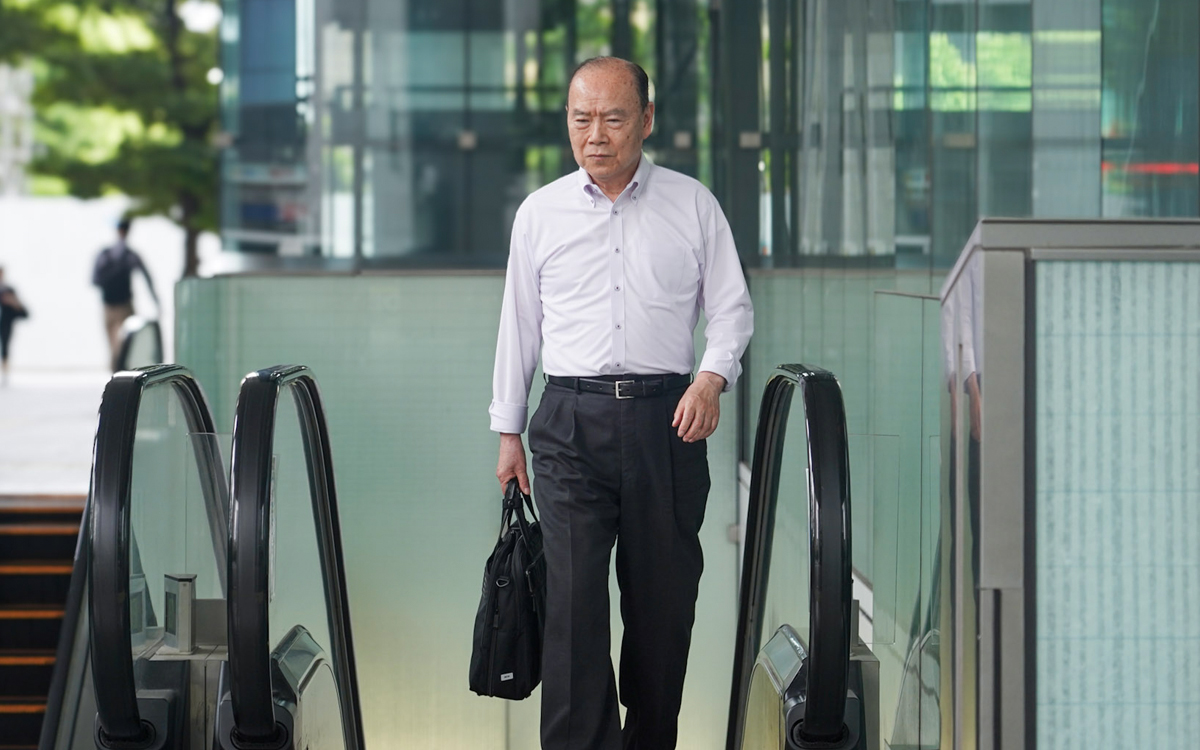
-
Fulfillment & Succession
What Do You Keep in Mind When Passing Your Knowledge and Experience on to the Next Generation?
I believe that one of the most important skills for working at HighChem is being able to think for yourself and take action. People who simply wait for instructions from above are not a good fit for our company. When I was appointed to lead my department, my supervisor told me, “Do whatever you think is best.” I like working in an environment with that kind of freedom, and it gave me even more motivation to take on the challenge.
That is why I also encourage younger members of my team to think for themselves. When someone asks me a question, rather than immediately giving them my own answer, I try to ask, “What do you think?” first and encourage them to come up with their own opinion.
At my previous company, I also told employees with a certain level of experience to stop asking questions like, “What should we do?” Instead, I encouraged them to make proposals, such as, “We have this problem. Would it be okay if we tried this approach?” I remember seeing a significant change in their mindset after I introduced this way of thinking.
I feel that one of the most important roles for senior professionals is not to do everything themselves, but to develop people who can think for themselves and take action.