
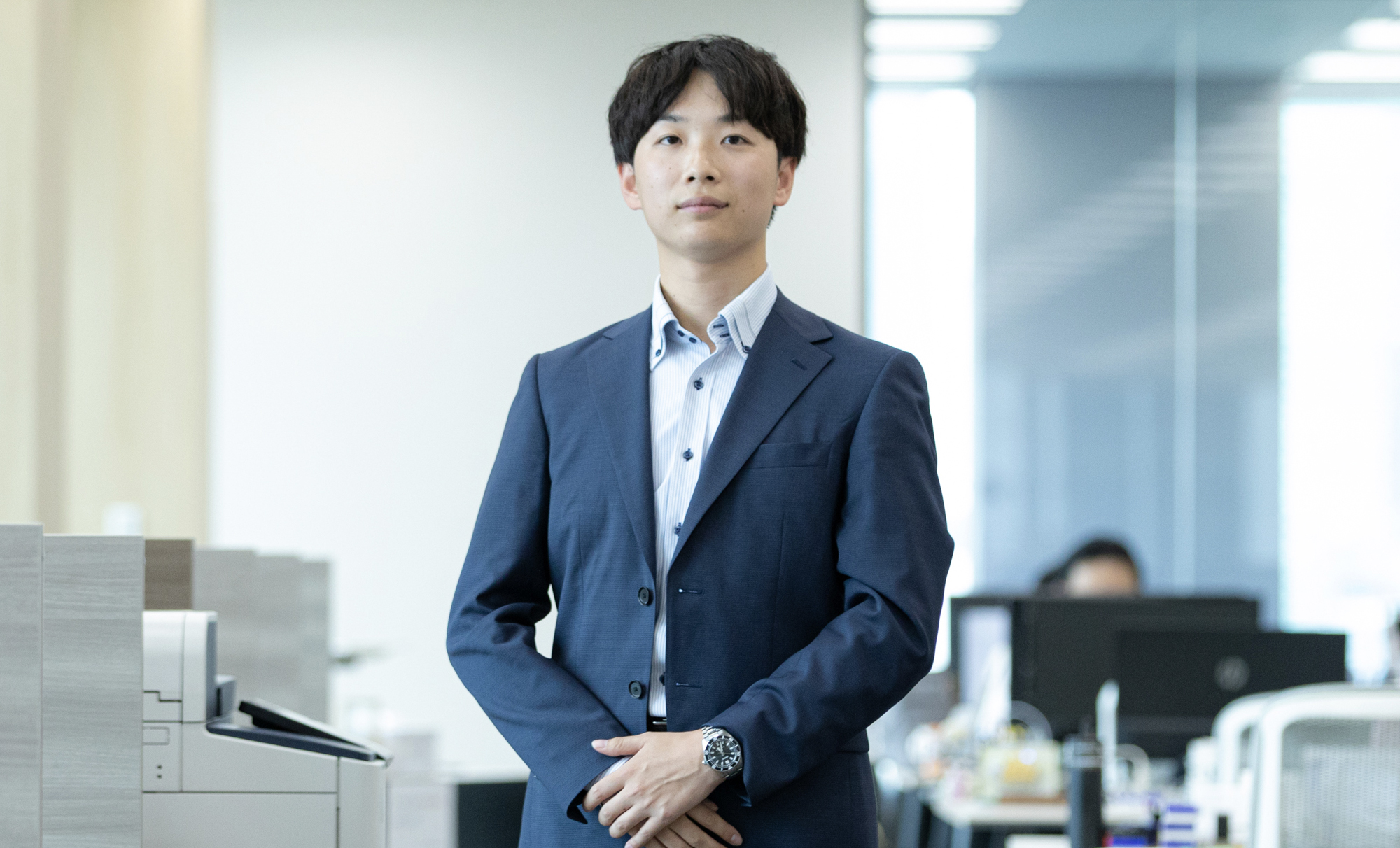
Building a New Business from the Ground Up
with Chinese Language Skills
Food Product Development Project, Sustainability & Innovation Div.
T
-
CAREER
- 2020
- Graduated from Nihon University, College of Humanities and Sciences, Department of Chinese Language and Culture
- 2020−
2022 - Worked for a Travel Company Specializing in Overseas Travel
- 2022
- Joined HighChem as a Second-Career Hire
-
Why HighChem
What Made You Decide to Join HighChem?
I chose HighChem as my next career opportunity because I wanted to make use of the knowledge of Chinese culture and the Chinese language that I had studied at university. At the time, HighChem featured the slogan “A Bridge Between Japan and China” on its website. With Chinese roots myself, I had wanted to become someone who could serve as a bridge between the two countries since I was a child. When I found a company whose vision aligned with my own aspirations, I began to think, “I want to work for this company!”
-
Responsibilities
What Does Your Current Role Involve?
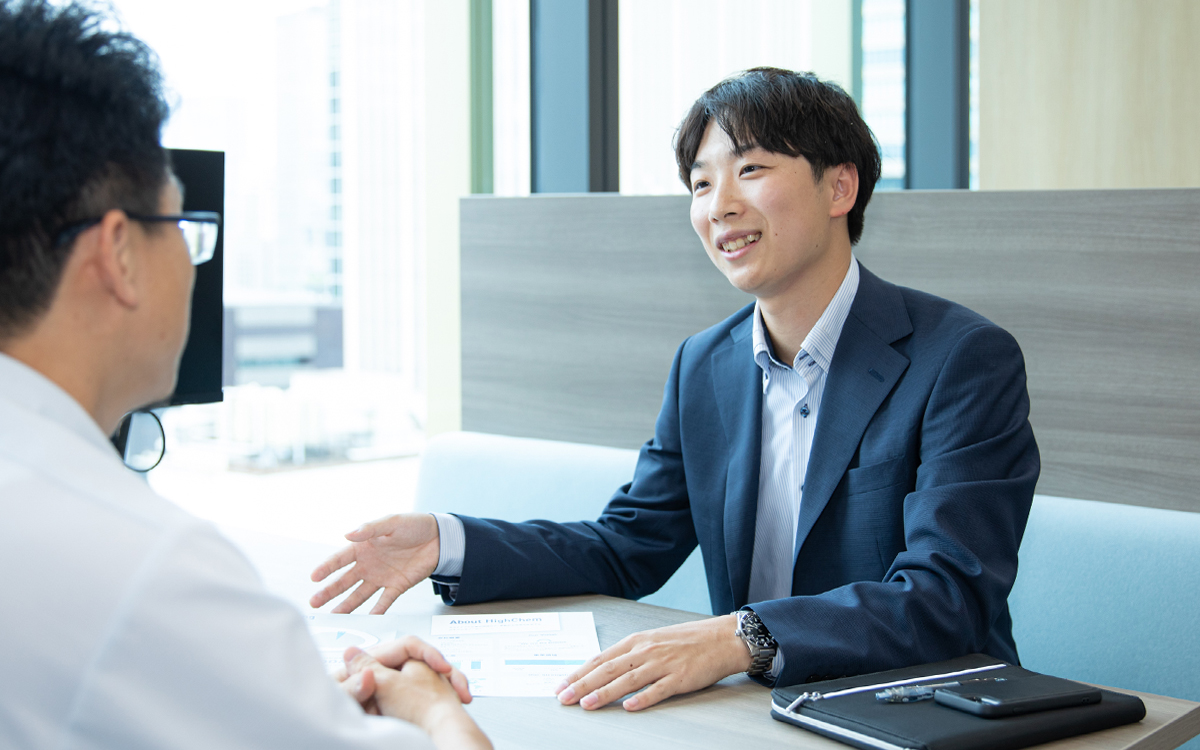
I am currently working on a food product development project that was launched as a new business last year. The project was established to introduce Chinese food ingredients that are still relatively unfamiliar in Japan to the Japanese market. Currently, the team consists of three members, including two senior colleagues—one with a background in the food industry and another with experience at a trading company—and we are working together to build and drive the new business.
What Challenges Have You Faced in Launching a New Business?
One of the first major challenges we faced was the fundamental difference in how Japan and China approach quality standards. Japanese food manufacturers tend to place a strong emphasis on rules, setting detailed standards not only for processing plants but also for the areas where raw materials are grown, and ensuring traceability through documentation. Chinese manufacturers, on the other hand, tend to focus more on results. Rather than setting detailed standards in advance, it is more common to demonstrate quality through inspection results for the finished product. To bridge this gap, we present the specific standards required by the Japanese side and work with Chinese manufacturers to obtain the necessary information. When certain information is difficult to obtain, we discuss possible solutions together and find a way forward. I feel that this is truly what it means to be a “bridge between Japan and China.”
What Do You Find Rewarding About Your Work at HighChem?
As this is a new business, we started from scratch—not only by finding customers in Japan, but also by searching for food manufacturers in China that meet Japanese standards. For the products we handle, we visit Chinese manufacturers directly and conduct everything ourselves, from factory inspections to audits. We also travel to locations across Japan where we believe there may be potential demand and carry out sales activities firsthand.
Because we are involved in every step of the process ourselves, there are many new challenges that I have never experienced before, which makes the work truly rewarding. Seeing our network of colleagues grow, expanding the range of products we handle, and gradually moving forward in discussions with customers—I feel that this work embodies the sense of excitement that I value in my career.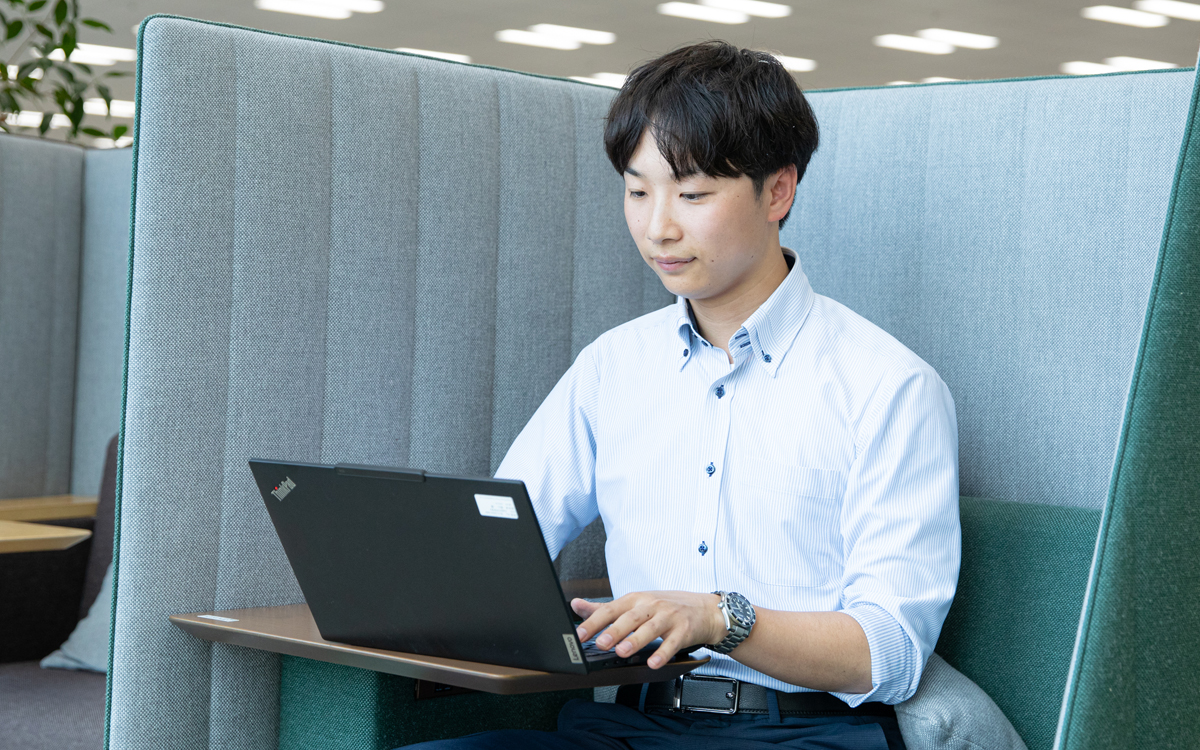
What Have You Learned from Your Senior Colleagues?
The food project currently has two experienced senior colleagues—one from a manufacturing company and the other from a trading company. Their sales approaches, shaped by their respective backgrounds, are completely different. Every day, I learn from and absorb the strengths of both, taking the best of each approach and developing my own sales style to connect with customers. In the future, I hope to become someone who can combine the strengths of both approaches into my own way of doing business. At HighChem, I have the opportunity to learn directly from professionals with diverse backgrounds, and I feel that this environment for growth is one of HighChem’s greatest strengths.
-
Daily Schedule
- 10:00
- Visit a customer and hold a meeting (approximately 1 hour)
- 11:30
- Lunch while researching the food market (gathering information at Chinese restaurants in Tokyo and elsewhere)
- 12:30
- Return to the office
- 13:00
- Meet with visitors (business meeting with a food manufacturer)
- 14:00
- Meet with visitors (meeting with a representative from the Japanese subsidiary of a Chinese manufacturer)
- 16:00
- Prepare sales materials, prepare and ship samples, coordinate with Chinese manufacturers, and more
- 19:00
- Leave the office
-
workplace
What Is the Culture and Work Environment Like at HighChem?
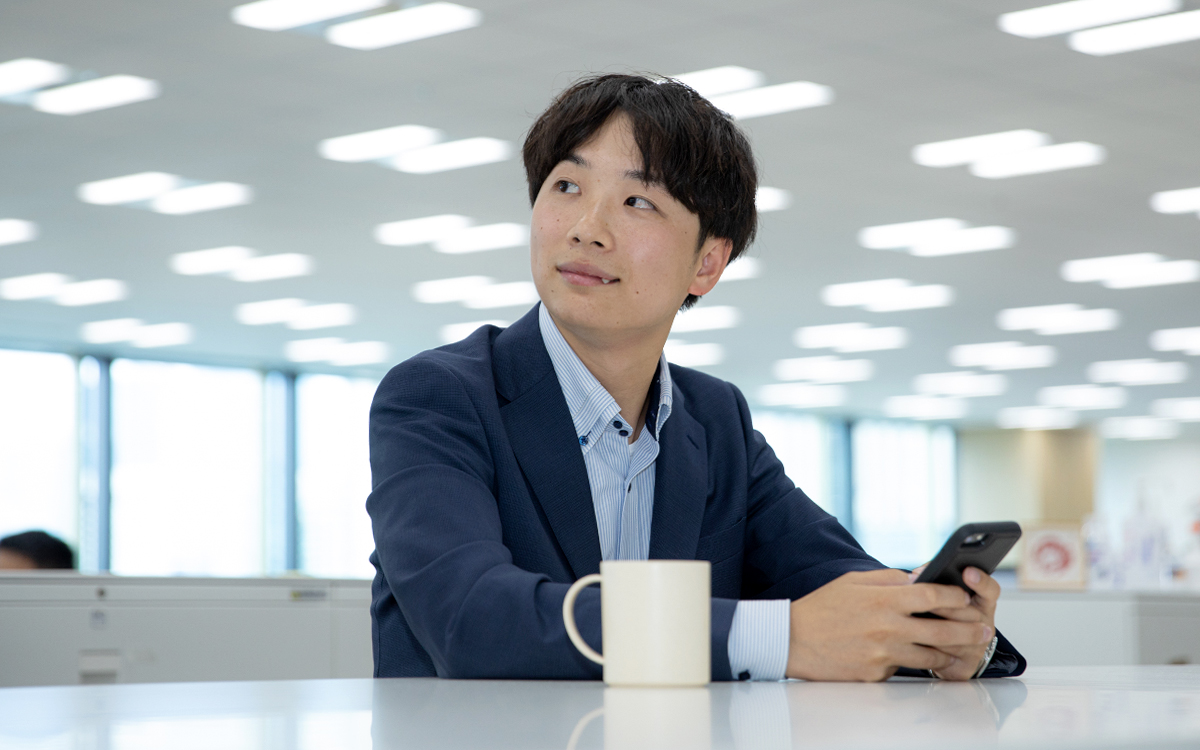
I get the impression that everyone at HighChem works independently and takes responsibility for their work. People don’t interfere unnecessarily with one another, but that doesn’t mean we aren’t close. The atmosphere is straightforward and easygoing, while at the same time there is a sense of warmth and familiarity. (laughs) Although HighChem is a Japanese company, it may have an atmosphere that is somewhat different from that of a typical Japanese company.
What Is Your Favorite Employee Benefit?
As someone with a long commute by train, I find HighChem’s flexible working hours and work-from-home programs very appealing. Being able to avoid commuting during rush hour helps reduce the fatigue of commuting every day, and since my work often involves going out to meet people, I also feel that these programs give me a better environment for concentrating on tasks such as preparing documents.
I also find it very appealing that I can take time off flexibly at my own discretion, as well as the competitive compensation and benefits offered by the company.